What Removes Hard Water Stains from Glass Shower Doors Naturally? We Test 5 Fixes.
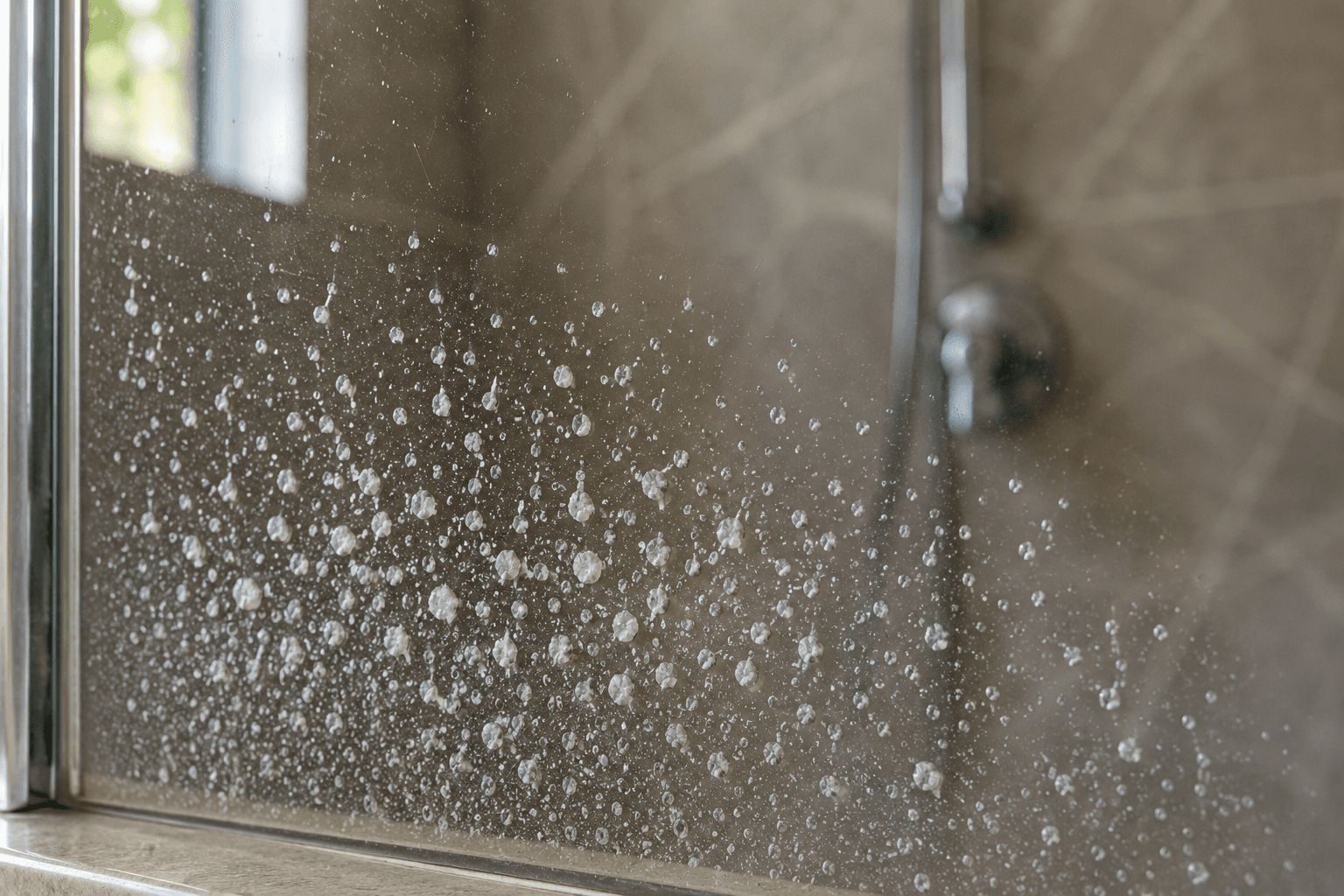
Tired of stubborn hard water stains on your shower glass? We've all been there. Instead of reaching for harsh chemicals, many homeowners in Malaysia are looking for natural, chemical-free solutions. This article dives deep into testing five common natural remedies – white vinegar, lemon juice, baking soda, cream of tartar, and even cucumber – to see what actually works on tough Malaysian hard water stains, and what's just an old wives' tale. Spoiler: prevention, like a non-stick coating, is always smarter than scrubbing.
Hey everyone, Kent here from EnduroShield Malaysia. Let's be honest, cleaning the shower glass is probably nobody's favourite chore. Especially when those ugly, chalky hard water stains start to build up. You know the ones – they make your beautiful bathroom look, well, not so beautiful. Many of you have asked me: what removes hard water stains from glass shower doors naturally? It’s a great question, and one I hear a lot, especially from folks looking for a chemical-free glass clean.
Here in Malaysia, our water can be pretty hard, especially in areas like Selangor and parts of Penang. That means more dissolved minerals like calcium and magnesium, which are the culprits behind those unsightly white marks. Over time, these minerals etch into the glass, making it cloudy and incredibly difficult to clean. Before we talk about how to prevent them (which is always my top advice!), let's put some popular natural remedies to the test.
I've gathered five common natural ingredients that people swear by for cleaning. We're going to try them out on a real, stained shower screen in a home in Petaling Jaya and see which ones actually deliver. Remember, EnduroShield isn't a cleaner; it's a preventative coating. But for existing stains, you need to clean them first. So, let's get scrubbing (naturally!).
The Challenge: Stubborn Malaysian Hard Water Stains
For this experiment, I found a shower screen that hadn't been properly cleaned in months. It had a significant build-up of hard water stains, soap scum, and general grime – a perfect testing ground. I divided a section of the glass into five smaller squares, one for each natural remedy. I used a simple masking tape to mark them out.
My tools for this test were pretty basic, things you can find at any local grocery store or 'kedai runcit':
- White Vinegar: A large bottle of Cap Kaki Tiga white vinegar, about RM 5.50.
- Lemon Juice: Freshly squeezed from about 3-4 lemons, cost around RM 3.00.
- Baking Soda: A box of Arm & Hammer baking soda, about RM 4.90.
- Cream of Tartar: A small packet from a baking supply store in KL, about RM 6.00.
- Cucumber: One medium-sized cucumber, about RM 1.50.
- Spray bottle: From Daiso, RM 5.90.
- Microfibre cloths: Also from Daiso, RM 5.90 for a pack of 3.
- Sponge: A regular kitchen sponge.
- A squeegee: My trusty Vileda squeegee, RM 19.90.
Safety first, even with natural ingredients! I wore gloves and had good ventilation in the bathroom.
Test 1: White Vinegar – The Classic Go-To
Method: I filled a spray bottle with undiluted white vinegar. I generously sprayed one section of the glass, making sure it was completely saturated. I let it sit for about 15 minutes to allow the acetic acid to work on the mineral deposits. After the dwell time, I scrubbed the area with a soft sponge, then rinsed thoroughly with water and squeegeed dry.
Results: The vinegar definitely made a difference! A good portion of the lighter hard water stains and soap scum started to dissolve. The glass looked noticeably clearer. However, the older, more deeply etched stains were still visible, albeit slightly faded. It required a fair bit of elbow grease with the sponge.
Verdict: Good for light to moderate stains. It's acidic, which helps break down minerals. Readily available and cheap. But not a miracle worker for severe etching.
Test 2: Lemon Juice – The Fresh Alternative
Method: Similar to vinegar, I squeezed fresh lemon juice into a spray bottle and applied it liberally to the second section of the glass. Lemon juice also contains citric acid, another natural acid. I let it sit for 15 minutes, then scrubbed, rinsed, and squeegeed.
Results: The lemon juice performed quite similarly to the white vinegar. It tackled the lighter stains and left a fresh, clean scent, which was a bonus compared to the strong vinegar smell. Again, the really tough, embedded stains remained.
Verdict: Effective for lighter stains and leaves a pleasant smell. A good option if you dislike the vinegar scent, but not significantly more powerful.
Test 3: Baking Soda Paste – The Abrasive Power
Method: I made a thick paste by mixing baking soda with a little bit of water. I applied this paste directly to the third section of the glass, ensuring it covered the stained areas. Baking soda is a mild abrasive, so the idea is that the tiny particles will gently scrub away the stains. I let it sit for about 10 minutes, then scrubbed with a damp sponge in circular motions, rinsed, and squeegeed.
Results: This was interesting. The baking soda paste did help remove some of the surface grime and made the glass feel smoother. It had a slight abrasive action that seemed to lift some of the less stubborn mineral deposits. However, it required more physical effort than the acidic solutions, and like the others, it couldn't fully eradicate the deep etching.
Verdict: Decent for surface grime and light stains, especially with some scrubbing. Its abrasive nature can help, but be careful not to scrub too hard and scratch the glass (though glass is pretty tough).
Test 4: Cream of Tartar Paste – The Lesser-Known Acid
Method: Cream of tartar (potassium bitartrate) is another mild acid often used in baking. I mixed it with a small amount of water to form a paste, similar to the baking soda. I applied it to the fourth section, let it sit for 15 minutes, scrubbed, rinsed, and squeegeed.
Results: This one was perhaps the least impressive. While it did clean the glass, its effectiveness against the hard water stains was comparable to, if not slightly less than, the vinegar or lemon juice. It didn't seem to offer any significant advantage.
Verdict: Not a standout performer for hard water stains. You're better off sticking with vinegar or lemon juice if you're going the acidic route.
Test 5: Cucumber – The Old Wives' Tale?
Method: I sliced a fresh cucumber and rubbed the slices directly onto the fifth section of the glass. The idea behind this remedy is that compounds in the cucumber help repel water. I let the cucumber juice sit on the glass for about 5 minutes, then wiped it off and squeegeed.
Results: Honestly? This was largely ineffective for removing existing hard water stains. While it might leave a temporary shine on already clean glass, it did virtually nothing to break down the mineral deposits. It felt more like I was just smearing water around.
Verdict: A myth for stain removal. Save your cucumbers for your salad or a refreshing drink!
The Takeaway: Natural Remedies Work, But Have Limits
So, what did we learn about what removes hard water stains from glass shower doors naturally?
- White vinegar and lemon juice were the most effective for tackling light to moderate hard water stains and soap scum. Their acidity helps dissolve mineral deposits.
- Baking soda paste provided some abrasive cleaning action, good for surface grime, but required more effort.
- Cream of tartar was okay, but not exceptional.
- Cucumber was a bust for stain removal.
The biggest revelation? None of these natural methods could fully remove the deeply etched, old hard water stains. They certainly improved the appearance, making the glass clearer, but the ghost of the stains remained. This is because once minerals have etched into the microscopic pores of the glass, it's incredibly difficult to reverse without professional restoration, which can be costly and time-consuming.
The Smart Way: Prevention is Better (and Easier) Than Cure
This experiment really highlights my core belief: clean glass isn't about scrubbing harder; it's about stopping stains from sticking in the first place. Why spend hours every week with vinegar and baking soda when you can prevent the problem from ever taking root?
This is where EnduroShield comes in. Think of it like a non-stick pan for your shower glass. Just like oil and food slide right off a non-stick pan, water, soap scum, and those pesky hard water minerals can't grab onto EnduroShield-coated glass. They simply bead up and roll off.
Applying EnduroShield to your already clean shower glass (after you've done your best with the natural remedies!) creates an ultra-thin, invisible barrier. This barrier fills in those microscopic pores in the glass surface, making it super smooth. When the surface is smooth, minerals and soap scum have nothing to cling to.
This means:
- Far less cleaning: You'll barely need to clean your shower glass. A quick wipe down with a damp microfibre cloth (like those Daiso ones for RM 5.90) once a week is usually all it takes.
- Keeps glass looking like new: Your shower screen stays sparkling clear, just like it was when it was first installed.
- Save time and effort: No more back-breaking scrubbing or experimenting with different natural remedies every weekend.
It's not about never cleaning again, but about making cleaning so easy it's almost an afterthought. The application takes about 10-30 minutes for a standard shower screen, and then it cures for 8 hours. Once it's on, it lasts for years.
We have kits available right here in Malaysia. Our Standard DIY Kit is currently on sale for RM 218 (down from RM 268!), enough for one shower screen. The Family Kit, great for two screens, is RM 338 (was RM 498). And for bigger projects, the Pro Kit is RM 648 (was RM 898). You can find them online or at selected hardware stores in the Klang Valley.
So, while natural remedies are a good first step for existing stains, the real lazy-genius move is to prevent them from ever forming. It's 2026, stop scrubbing hard and start cleaning smart!
— Kent, EnduroShield Malaysia
Protect this glass for 3 years
EnduroShield's DIY kit bonds chemically to shower glass. Australian-made, TÜV Rheinland certified, applies in 10-30 minutes.
Shop the kit →Frequently asked questions
Can white vinegar permanently remove hard water stains from glass shower doors?
White vinegar is effective at dissolving light to moderate hard water stains due to its acetic acid content. However, for deeply etched or long-standing stains, it may only fade them rather than remove them completely, as the minerals have already bonded with the glass surface. It's a good natural cleaner but has its limits.
Is it safe to use lemon juice on glass shower doors?
Yes, lemon juice is safe to use on glass shower doors. Its citric acid helps break down mineral deposits and soap scum. It's a natural, chemical-free option that also leaves a pleasant scent. Always rinse thoroughly after application.
How often should I clean my glass shower doors naturally?
If you're relying on natural methods, you'll likely need to clean your glass shower doors at least once a week, or even more frequently in areas with very hard water. This regular cleaning helps prevent heavy build-up. However, applying a preventative coating like EnduroShield can reduce this to a quick wipe down every few weeks.
Will natural remedies scratch my glass shower door?
Most natural liquid remedies like vinegar and lemon juice will not scratch glass. When using abrasive pastes like baking soda, always use a soft sponge or cloth and avoid harsh scrubbing, as excessive force with any abrasive can potentially cause micro-scratches over time, though glass is quite durable. Always test in an inconspicuous area first.
Why do hard water stains keep coming back even after natural cleaning?
Hard water stains keep returning because the minerals in your tap water (calcium, magnesium) are constantly being deposited on the glass every time you shower. The glass surface is naturally porous, allowing these minerals to stick and build up. Natural cleaners remove the existing stains, but don't prevent new ones from forming. This is why a protective coating, which makes the surface non-stick, is so effective at preventing recurrence.