Does Vinegar Actually Damage Shower Glass? (The Honest Answer)
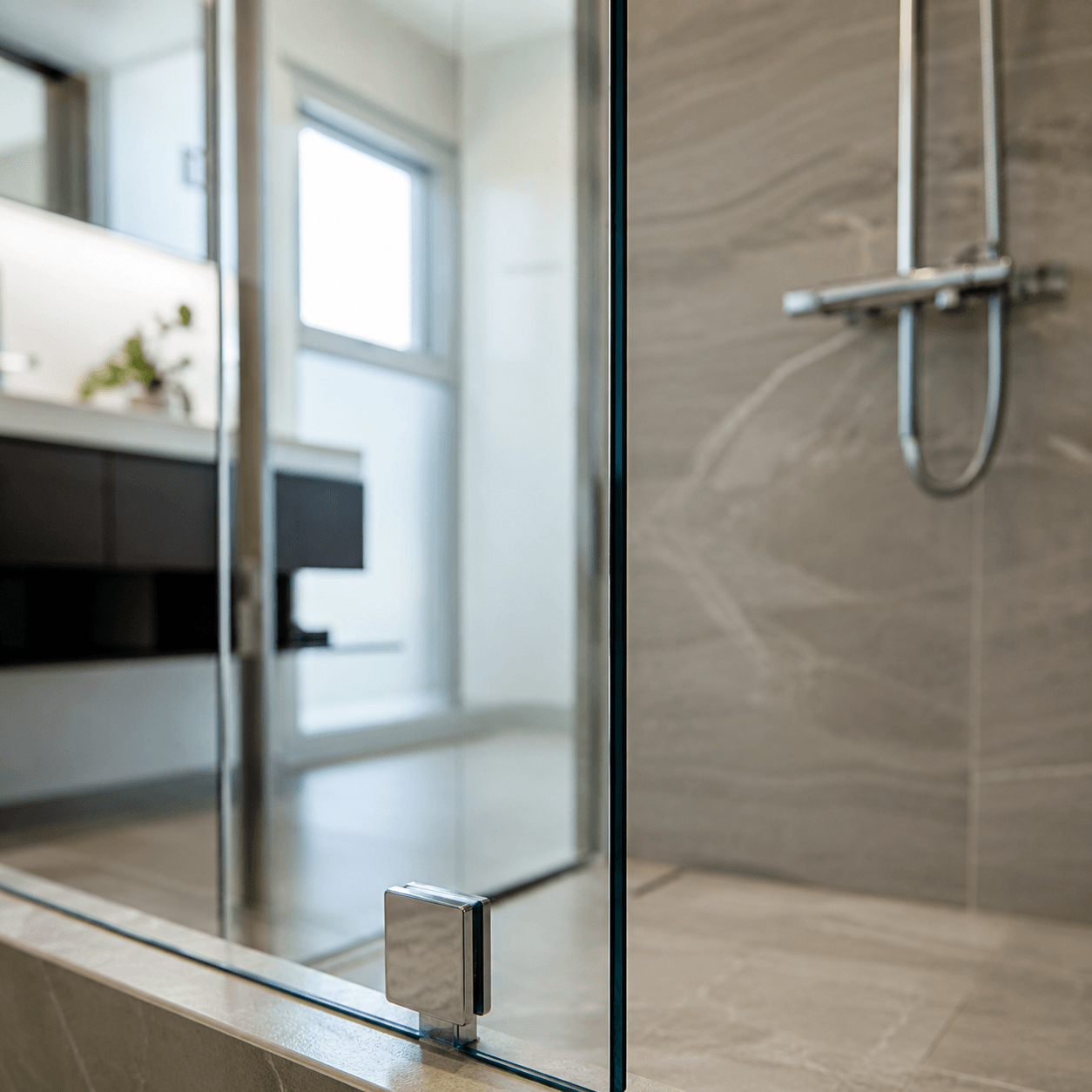
No — vinegar does not damage shower glass. Glass is silica (chemically inert to mild acetic acid). What vinegar CAN damage is everything around the glass: brass frames, natural stone surrounds, marble floors, unsealed grout. Use it freely on glass; rinse anything else within 30 seconds.
Every couple of weeks someone asks me whether they should stop using vinegar on their shower glass because they read online that it causes damage.
The short answer: vinegar is safe on glass. The long answer involves what’s NEXT to the glass.
Why vinegar is safe on glass
Glass is silicon dioxide (SiO₂) — one of the most chemically stable materials in your house. Mild acids like household vinegar (about 5% acetic acid) don’t react with silica at room temperature or shower temperature.
What vinegar DOES do on glass:
- Dissolves calcium and magnesium mineral deposits (alkaline minerals + mild acid = soluble salts that rinse away).
- Cuts through soap scum (acetic acid breaks soap’s emulsion structure).
- Evaporates cleanly with no residue when rinsed properly.
It does NOT etch, scratch, weaken, or discolour glass. Even daily use for years is fine.
What vinegar CAN damage (the real warnings)
The dangerous applications are when vinegar drips or splashes onto other materials around the glass:
1. Brass and chrome fittings. Vinegar etches brass and damages chrome plating over time. If your shower frame, handle, or showerhead is brass or has chrome plating that’s already worn, vinegar accelerates the damage.
2. Natural stone (marble, travertine, granite). Marble especially is calcium carbonate — vinegar dissolves it. A vinegar drip on a marble floor or bathtub edge creates a visible etched spot within minutes.
3. Unsealed grout. Vinegar weakens grout over months of repeated exposure. Sealed grout is fine.
4. Some natural finishes on doors and frames. Particularly any teak or treated wood near the shower — vinegar can lift the finish.
How to use vinegar safely
- Mix 1:1 with warm water before spraying. Diluted vinegar is gentler on adjacent materials while still effective on glass.
- Spray onto the glass directly, not the air. Avoid mist drifting onto surrounding surfaces.
- Tape paper towels around brass/marble/stone if you’re doing heavy vinegar treatment near them. Catch drips.
- Rinse thoroughly after treatment — both the glass and any surfaces that may have caught splash.
- Use white distilled vinegar. Not flavoured rice vinegar (sugars leave film), not apple cider vinegar (more expensive, no better).
The “vinegar damages glass coating” myth
One specific concern: does vinegar damage a glass coating like EnduroShield?
Honestly: occasional vinegar use (weekly clean) is fine on EnduroShield-coated glass. The coating chemistry is acid-resistant up to mild household concentrations. Heavy daily concentrated vinegar use over months could degrade the coating earlier, but normal weekly diluted vinegar (1:1 with water, rinsed after) won’t.
If you have a coated shower, you probably don’t need vinegar anyway — the coating prevents mineral bonding, so there’s nothing for vinegar to dissolve. Use dish soap method (Method A from our cleaning guide) for the weekly clean.
Bottom line
Use vinegar freely on shower glass. Use it carefully around brass, stone, marble, and unsealed materials. Always dilute 1:1, always rinse afterward.
Want free delivery on your first order?
Drop your email. We send you the code now, and you use it on your first order.
Send me the code →Frequently asked questions
Can I use vinegar on a coated EnduroShield glass?
Occasional weekly use is fine — the coating is acid-resistant to mild household concentrations. But you usually don’t need to: coated glass doesn’t accumulate mineral deposits, so vinegar’s purpose (dissolving minerals) doesn’t apply. Dish soap method is sufficient for coated glass.
Is apple cider vinegar better than white vinegar?
No — it’s the same acetic acid content. Apple cider vinegar costs more and has trace organic compounds that can leave a slight film. White distilled vinegar is the right choice for glass cleaning.
What about citric acid or lemon juice instead?
Citric acid (lemon juice is ~5% citric acid) works similarly to vinegar — mildly acidic, dissolves minerals. Some people prefer the smell. Same warnings apply to surrounding materials. Lemon juice contains sugars that can leave film if not rinsed thoroughly.
How long do I leave vinegar on the glass?
5 minutes is the sweet spot for mineral spots. For light cleaning, even 2 minutes works. For stubborn spots, soak a paper towel in undiluted vinegar and press against the spot for 15 minutes — the longest you’d ever leave vinegar in contact with the glass. Always rinse after.