Black Mildew on Shower Glass Frame: When to DIY, When to Call a Handyman
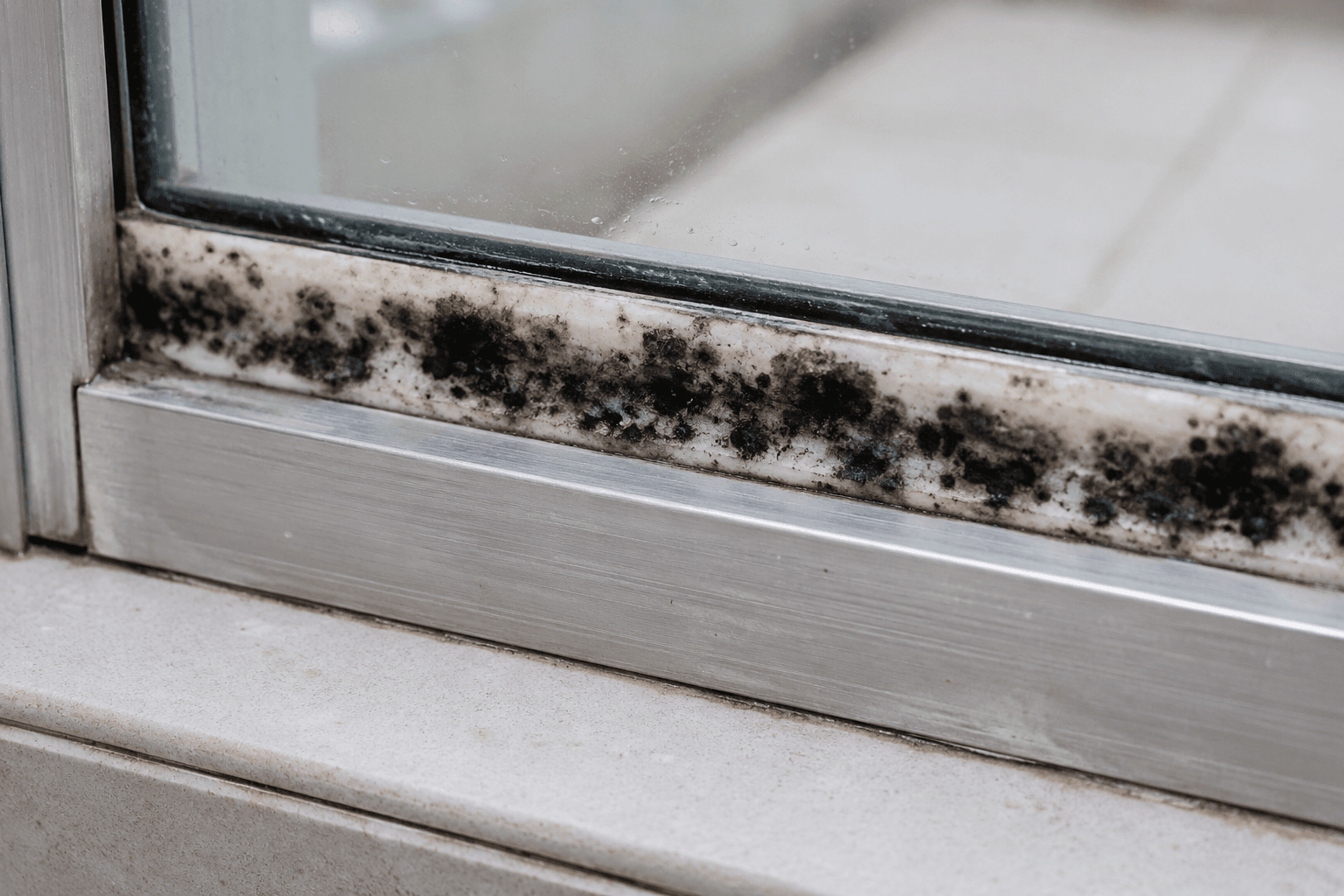
Black spots on the silicone or frame around your shower glass come in two stages. Shallow (still on the surface): 10-minute DIY fix with baking soda + dish soap. Deep (won’t come off, has grown INTO the silicone): needs re-caulking by a handyman, RM 80-150 in Klang Valley. Here’s how to tell the difference and what to do at each stage.
Black mildew on shower glass frames is one of the most common WhatsApp messages I get from new homeowners. Usually it’s sent with a photo and the question: “Can I clean this, or do I need to replace the silicone?”
The answer depends on one diagnostic test. Takes 2 minutes.
The diagnostic: scratch test
Take a clean cloth, wet it with warm water, and gently scrub one of the black spots for 30 seconds. Then look closely.
- If the black is now noticeably lighter, OR the cloth came away with black residue on it — the mildew is on the silicone surface. Shallow. DIY fix below works.
- If there’s no change after 30 seconds of scrubbing — the mildew has grown into the silicone. Deep. Cleaning won’t fix it. Skip to the re-caulking section.
Shallow mildew: 10-minute DIY fix
You need: baking soda, dish soap (Mama Lemon RM 4), old toothbrush, microfibre cloth.
- Mix 1 tablespoon baking soda with 3-4 drops dish soap to make a paste. Add a few drops of water if too thick.
- Apply paste to the black areas with your finger or a toothbrush.
- Wait 10 minutes. Let it work.
- Scrub with old toothbrush. Use circular motions on silicone (not glass).
- Rinse with plain water.
- Dry with microfibre.
For stubborn shallow mildew, use diluted hydrogen peroxide (3% from any pharmacy, about RM 4 per bottle): mix 1:1 with water, spray, wait 10 minutes, scrub, rinse. Hydrogen peroxide is safer than bleach — doesn’t damage silicone and won’t produce toxic fumes.
What NOT to use
- Pure bleach. Effective in the short term but degrades silicone within months. Recurring use leads to silicone cracking + leaks.
- Steel wool / scouring pad. Scratches the silicone surface, giving mildew new spots to grow.
- “Anti-mould spray” products with sodium hypochlorite as main ingredient. Same problem as bleach — effective once, destructive over time.
Deep mildew: when re-caulking is the right answer
If the scratch test showed no change, the mildew has colonised the silicone itself. At that point:
- No amount of surface cleaning will remove it.
- The discolouration is permanent.
- The silicone’s seal integrity is also compromised — mildew has been breaking down the polymer.
The fix is re-caulking. A handyman cuts out the old silicone strip, cleans the joint, applies new silicone. Takes 1-2 hours.
Cost in Malaysia:
- Klang Valley: RM 80-150 per shower stall
- Penang/JB: RM 60-120
- Premium service (uses mould-resistant Dow Corning or GE silicone): add RM 50-80
Worth paying the premium for mould-resistant silicone. Standard silicone gets mildew again within 18 months. Mould-resistant lasts 4-6 years.
Once it’s clean: keep it clean
Whether you DIY-cleaned shallow mildew or paid for re-caulking, the prevention routine is the same:
- Ventilation. Run the bathroom fan for at least 15 minutes after every shower. If no fan, open the window or door. Damp + warm = mildew.
- Squeegee after every shower. Removes the standing water that feeds mildew growth.
- Weekly silicone rinse. Once a week, spray plain water along the silicone strip and wipe with microfibre. Removes soap residue before it builds up.
- Monthly inspection. Look closely. Catch new mildew when it’s shallow (10-min DIY fix) instead of waiting until it’s deep (RM 100+ re-caulk).
Glass coating prevents downstream mildew
Most bathroom mildew on silicone is fed by soap scum splash from the glass. Less splash = less food for mildew.
A glass coating like EnduroShield makes water bead and run off cleanly instead of forming droplets that pool at the silicone strip. The DIY kit applies in 10-30 minutes and lasts about 3 years. It doesn’t directly protect the silicone, but it removes the conditions that feed mildew growth on it.
Want free delivery on your first order?
Drop your email. We send you the code now, and you use it on your first order.
Send me the code →Frequently asked questions
What’s the difference between black mildew and black mould?
In casual use, the terms are interchangeable. Technically, “mildew” is surface-level fungal growth that’s easier to remove; “mould” (especially Stachybotrys, the “black mould” people worry about) grows deeper into materials and is harder to remove. For bathroom silicone in Malaysia, you’re almost always dealing with surface mildew, not toxic black mould.
How often should I check for mildew?
Once a month, deliberately. Most homeowners only notice mildew when it’s already deep. A quick monthly inspection (literally 30 seconds) catches it shallow when DIY still works.
Is mildew dangerous to breathe?
For healthy adults, surface bathroom mildew is mostly cosmetic. It can trigger asthma flare-ups in asthmatic people. If anyone in your household has asthma or severe allergies, treat mildew aggressively and consider mould-resistant silicone.
Can a glass coating prevent mildew?
It prevents the soap scum buildup that feeds mildew but doesn’t directly protect silicone. The coating goes on glass only. Mildew still needs ventilation + silicone hygiene to fully prevent. Coating + ventilation routine together = ~95% reduction in mildew formation.