Pink Mould on Shower Silicone: What It Actually Is + How to Get Rid of It
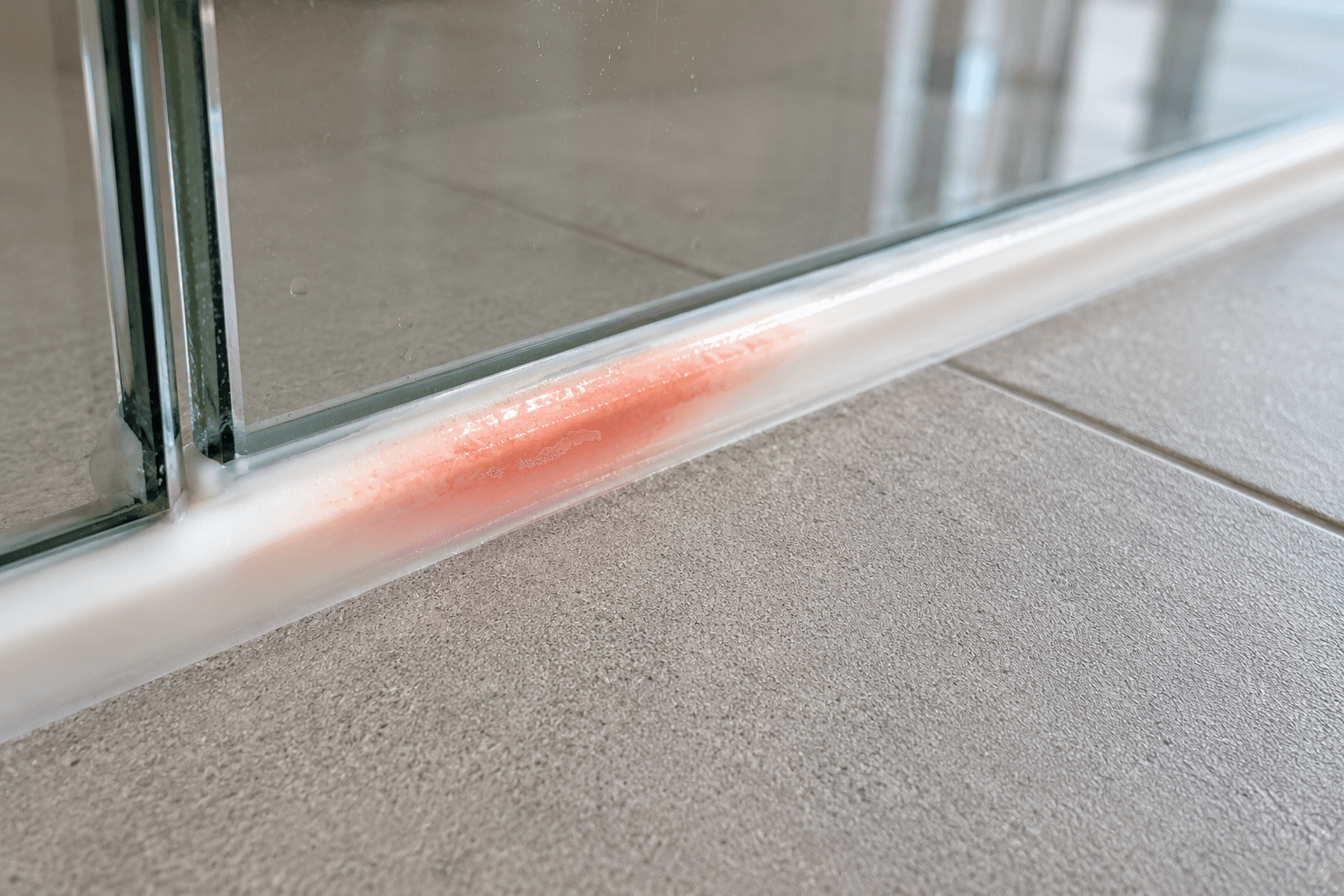
The pink or orange film growing on your bathroom silicone isn’t mould. It’s a bacteria called Serratia marcescens that thrives on soap residue and warm humidity — both abundant in Malaysian bathrooms. Bleach makes it worse. The fix is baking soda + dish soap + better ventilation. Takes 10 minutes.
If you have a pink or salmon-orange film growing along the silicone bead where your shower glass meets the floor, you don’t have mould. You have a bacteria called Serratia marcescens, and almost every Malaysian shower has it at some point.
Most people reach for bleach. That makes it worse. Here’s what actually works.
What it actually is
Serratia marcescens is a naturally-occurring bacteria that lives almost everywhere. It produces a red-pink pigment called prodigiosin. In your bathroom, it specifically loves three things: warm humidity, residual soap film, and poor ventilation.
Malaysian bathrooms tick all three boxes daily. Hot showers + tropical humidity + soap residue on silicone = perfect breeding ground.
It’s harmless to healthy people. The unsightly pink film is a cosmetic problem, not a health one. But once it’s visible, the colony is established and won’t go away by itself.
Why bleach is the wrong answer
Bleach feels like the obvious choice. It’s cheap, kills germs, and you probably already have a bottle. But:
- Bleach degrades silicone. Repeated bleach exposure weakens the silicone bead within months. Eventually it cracks, water gets behind it, and you have a leak.
- Bleach doesn’t remove the food source. The bacteria comes back as soon as soap residue rebuilds.
- Bleach + ammonia (in some cleaning products) makes toxic fumes. Not worth the risk.
The fix that works (10 minutes)
You need: baking soda (500g Bake King at major supermarkets, RM 5.90), dish soap (Mama Lemon RM 4), an old toothbrush, a spray bottle, microfibre cloth.
- Mix 250ml warm water + 1 teaspoon baking soda + 2 drops dish soap in the spray bottle.
- Spray generously onto the pink-filmed silicone strip.
- Wait 5 minutes. Don’t scrub yet.
- Scrub with the old toothbrush. The pink should lift off easily.
- Rinse with plain water.
- Dry with microfibre cloth.
Why this works: baking soda is mildly alkaline, which disrupts the bacteria’s pH preference. Dish soap dissolves the soap-residue food source. Together they remove BOTH the bacteria AND the conditions it needs.
Stop it coming back
If you just clean once and don’t change ventilation, the pink film returns within 4-6 weeks. The single biggest prevention factor is airflow after showering.
- Run your bathroom fan for at least 15 minutes after every shower. If your fan is broken or your bathroom doesn’t have one, open the window for 30 minutes minimum. Get a small dehumidifier if needed.
- Squeegee the shower glass and silicone after every use. Removes the water that feeds the bacteria.
- Rinse the silicone strip with plain water once a week. Removes soap residue before it builds up.
Do these three and the pink stops coming back. Skip them and you’ll be scrubbing again next month.
When the pink has gone deep
If the pink film won’t fully come off after the baking soda treatment, the bacteria has grown into the silicone (not just on the surface). At that stage:
- The silicone needs to be cut out and re-applied.
- A handyman in Klang Valley charges RM 80-150 to re-caulk a standard shower.
- Once new silicone is in, start the baking soda + ventilation routine immediately so it doesn’t come back.
What about the glass itself?
The pink film almost never grows on the glass. If you see something pink on the glass surface, it’s probably soap scum tinted by the silicone bacteria below — not bacteria on the glass itself. Dish soap method (warm water + 5 drops dish soap, spray, wait 2 min, wipe with microfibre downward) clears it in 3 minutes.
Want free delivery on your first order?
Drop your email. We send you the code now, and you use it on your first order.
Send me the code →Frequently asked questions
Is pink mould on bathroom silicone dangerous?
For healthy adults, no. Serratia marcescens is environmental bacteria that doesn’t cause illness in immunocompetent people. It can be more risky for the immunocompromised, infants, or anyone with open wounds — in those cases, replace silicone rather than just clean.
Will vinegar kill the pink mould?
Vinegar disrupts it but isn’t as effective as the baking soda + dish soap mix. Vinegar also doesn’t address the soap-residue food source. If you only have vinegar, spray 1:1 vinegar + water, wait 5 minutes, scrub. Works but takes 2-3 cycles.
Why does the pink only appear in my bathroom and not the kitchen?
Three reasons: kitchen sinks dry between uses (low constant humidity), kitchen surfaces get wiped daily (residue removal), and kitchen soap residue is different chemistry than body soap. The bacteria thrives specifically in bathroom conditions.
Will EnduroShield prevent pink mould from coming back?
On the glass — yes, indirectly. The coating prevents the soap scum buildup that feeds the bacteria. On the silicone itself, no — coating bonds to glass not silicone. The silicone still needs the ventilation + weekly rinse routine described above.