How to Test If You Have Hard Water at Home (3 Ways for Malaysian Homes)
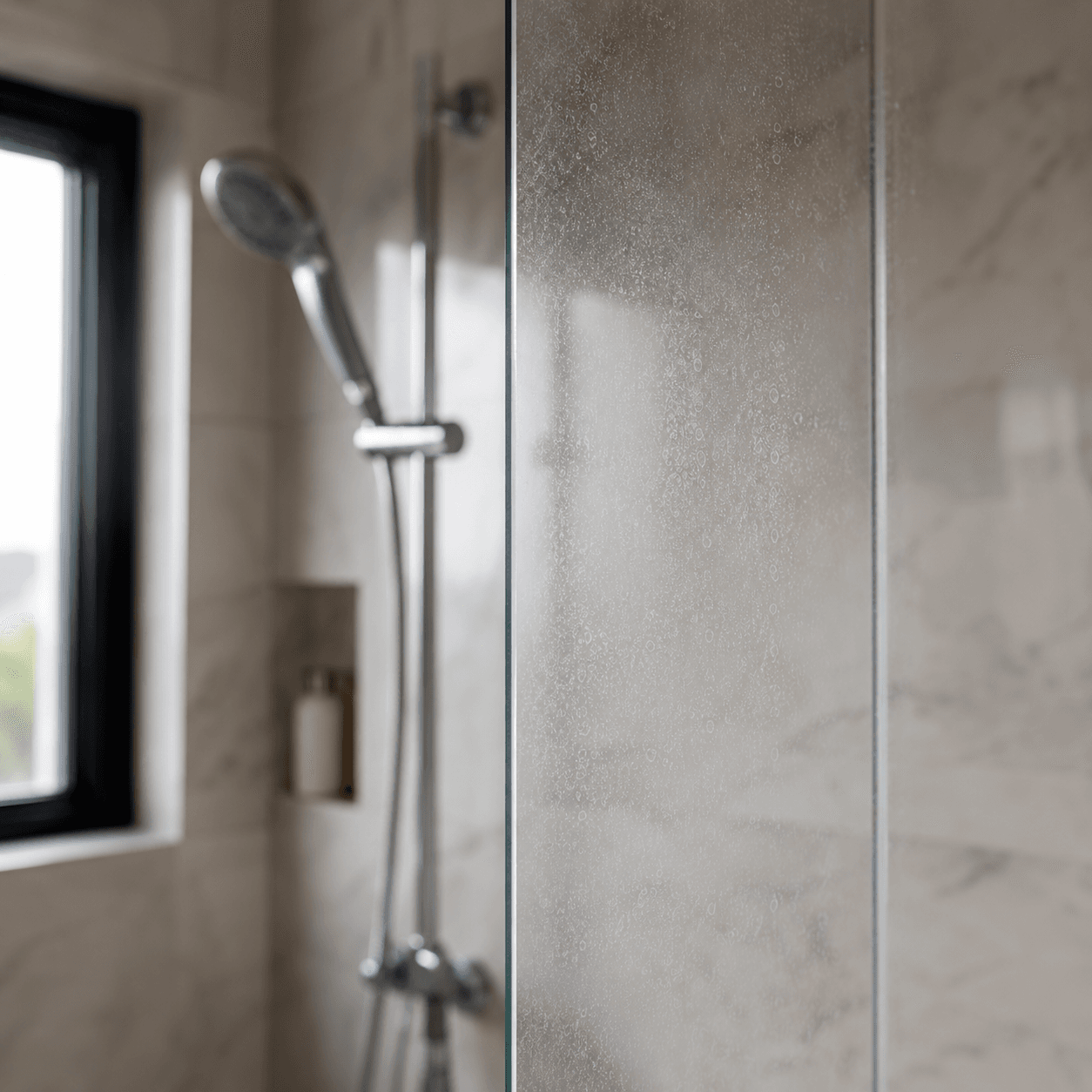
Three ways to confirm whether your Malaysian tap water is hard, ranked by reliability. Test 1 (free, 2 minutes): bottle + soap shake test. Test 2 (RM 15-30): TDS meter from Shopee. Test 3 (most accurate): drop a piece of paper towel in your kettle’s mineral deposits and look. If any of these confirm hard water, every glass surface in your home has a 3-year clock running.
Most of Malaysia has moderately hard to very hard water. But hardness varies by state, by housing development, and even by floor (high-rises sometimes have softer water than ground-floor units in the same area because pipes are newer).
If you want to know specifically what your water is, here are three tests in order of effort.
Test 1: The bottle + soap shake test (free, 2 minutes)
You need: empty plastic bottle (500ml), liquid dish soap, your tap water.
- Fill bottle 1/3 with cold tap water.
- Add 5 drops of dish soap.
- Cap tightly and shake vigorously for 30 seconds.
- Set down and observe.
Soft water: Lots of foam, lasting 30+ seconds. Water below the foam is clear.
Moderately hard: Moderate foam, dissipates in 10-15 seconds. Water below has a slight cloudy haze.
Very hard: Minimal foam, dissipates in 5 seconds. Water looks visibly cloudy with white sediment.
This test is rough but free and quick.
Test 2: TDS meter (RM 15-30, instant reading)
Total Dissolved Solids (TDS) meters measure mineral content in parts per million (ppm). Available on Shopee/Lazada for RM 15-30 (look for “TDS meter pen”).
Reading guide:
- 0-50 ppm: Soft water (rare in Malaysia)
- 50-150 ppm: Moderately soft
- 150-300 ppm: Moderately hard (typical Klang Valley high-rise)
- 300-500 ppm: Hard (typical Klang Valley landed, Penang island)
- 500+ ppm: Very hard (parts of Selangor, JB industrial areas)
For Malaysia, anything above 150 ppm means your shower glass has a 3-year clock. Most homes test 200-400.
Test 3: Visual evidence from existing surfaces
Look at three things in your kitchen and bathroom:
Kettle interior: Boil tap water once and pour out. Look at the inside of the kettle.
- Clean metal/glass: soft water.
- Thin white film: moderate hardness.
- Visible white crust or scale: hard water.
Shower head: Look at the nozzles closely.
- No buildup: soft.
- White spots on a few nozzles: moderate.
- White crust around most nozzles, some blocked: hard.
Tap aerator: Unscrew the small screen from your kitchen tap.
- Clean: soft.
- Light mineral coating: moderate.
- Visible crust, water flow reduced: hard.
If 2 of these 3 show buildup, you have hard water.
What hardness levels mean for your shower glass
| Hardness | Glass clock | Coating impact |
|---|---|---|
| Soft (<150 ppm) | ~5+ years to visible etching | Optional |
| Moderate (150-300) | ~3 years to visible etching | Strongly recommended |
| Hard (300-500) | ~18-24 months | Essential |
| Very hard (500+) | ~12-18 months | Essential + daily squeegee critical |
Where Malaysia is hardest
General patterns based on tested ppm samples:
- Penang island, certain areas of George Town: Among the hardest in Malaysia (400-600+ ppm).
- Selangor industrial belt, parts of Shah Alam, Klang: 350-500 ppm.
- KL Klang Valley high-rise condos: 200-350 ppm (newer pipes help).
- Pulau Pinang east coast, JB urban: 250-400.
- Some EC region landed homes: 150-250 (relatively soft).
These are typical — your specific reading may differ. Test your own water if you want to know for sure.
Hard water doesn’t damage your health — just your stuff
Hard water is safe to drink. It’s the calcium and magnesium that cause the deposits, and both are technically nutrients. The only health risk is dry skin/hair, which is mild.
The damage is to glass, fixtures, water heaters, and washing machines. Most affected: shower glass — because it gets daily abuse with no rinsing between cycles.
Want free delivery on your first order?
Drop your email. We send you the code now, and you use it on your first order.
Send me the code →Frequently asked questions
Should I install a water softener for the whole house?
Maths-dependent. A full-house softener costs RM 4,000-15,000 installed plus ongoing salt (~RM 50/month). Worth it if you have severely hard water AND multiple expensive things to protect (glass, water heater, washing machine, dishwasher). For a single bathroom with hard water, a glass coating is dramatically cheaper.
Does using filtered water help?
For drinking and cooking, yes. For shower glass — no. Filtered water still has minerals; filtration removes contaminants like chlorine and bacteria, not calcium and magnesium. Water softeners (which use salt to remove minerals) are different from water filters.
Will EnduroShield work in very hard water (500+ ppm) areas?
Yes — that’s exactly the situation it’s designed for. The coating prevents mineral bonding regardless of water hardness. Hard water just means the coating’s effort-saving benefit is even larger (more minerals it’s blocking).
How often should I re-test my water?
Once is usually enough — hardness rarely changes dramatically year-to-year in the same area. Re-test if you move house, or if your local water utility changes their treatment process.